
Photographing From My Kayak: What the Water Teaches
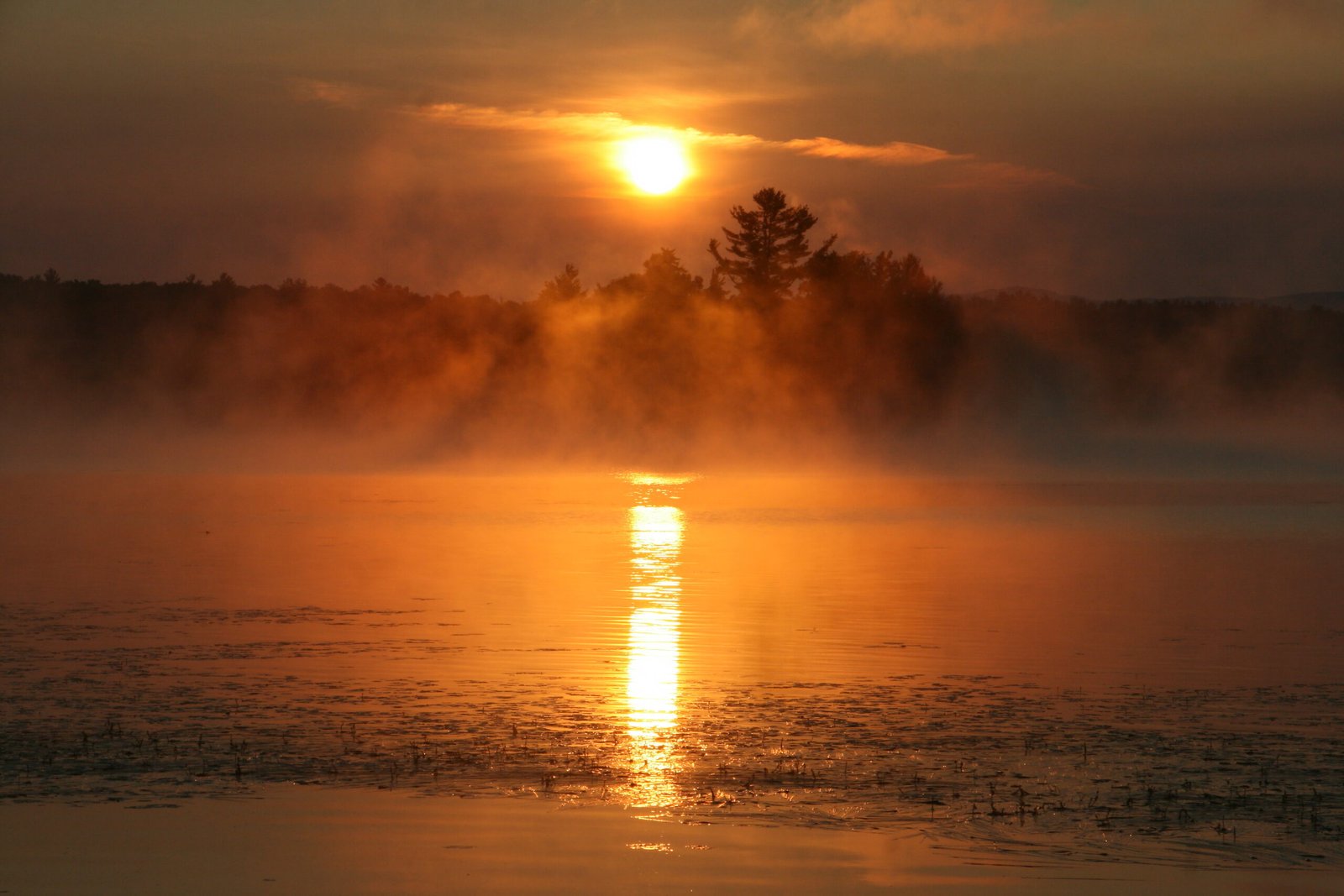
here’s something peaceful about kayak photography. Photographing from my kayak is mostly quiet and calm on lakes and rivers — but not always slow. And those changing conditions have taught me a few things that might help anyone interested in photographing from their kayak.
The Peace of Being on the Water
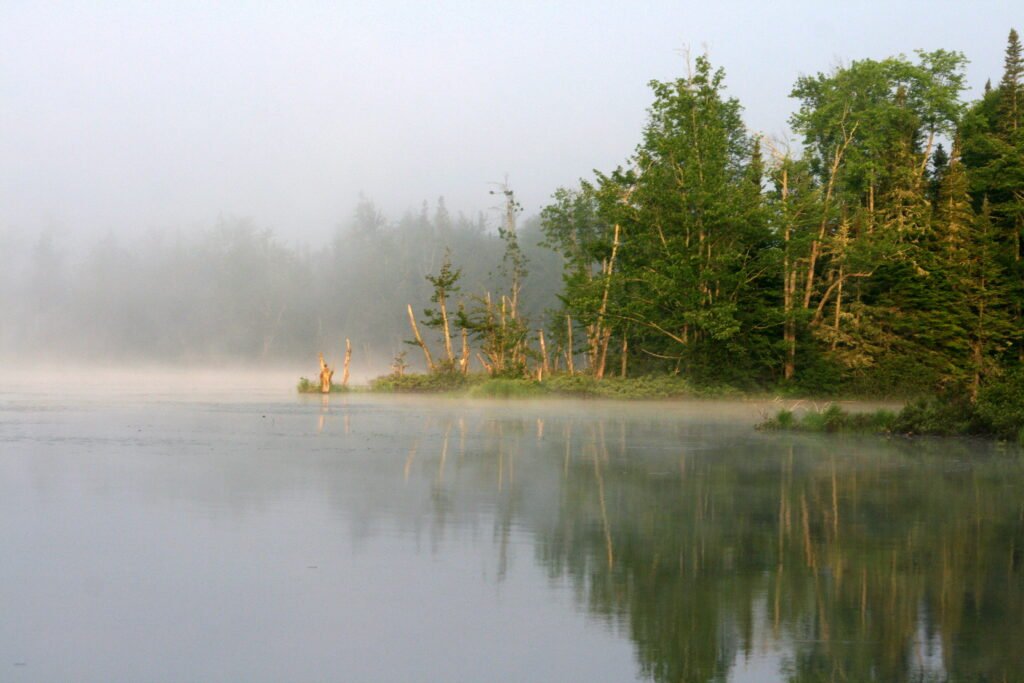
When I’m out on the river, everything slows down. The noise fades. The shoreline becomes a world of its own. Birds, turtles, and other wildlife seem less bothered by a kayak than by someone walking along the bank. You move differently on the water — softer, quieter, more naturally.
Some of my favorite moments happen when I’m not even trying to take a photo. Just drifting, listening, watching. The rivers and lakes have a way of reminding you to breathe.
Becoming Incognito
One of my favorite things about kayaking rivers is letting the current do most of the work. On slow stretches, I barely paddle at all — just small corrections to stay along the shoreline and keep the kayak pointed where I want it. The less I paddle, the quieter I become, and eventually I can simply drift.
That’s when something special happens. The kayak stops feeling like a boat and starts feeling like part of the river. Wildlife often doesn’t even realize I’m there. Snakes, beavers, muskrats, mink, deer, coyotes — all going about their lives as though I’m just another quiet shape moving through the water.
You haven’t conquered the distance. You’ve simply become uninteresting enough that the wildlife doesn’t feel the need to leave.
The View from Water Level
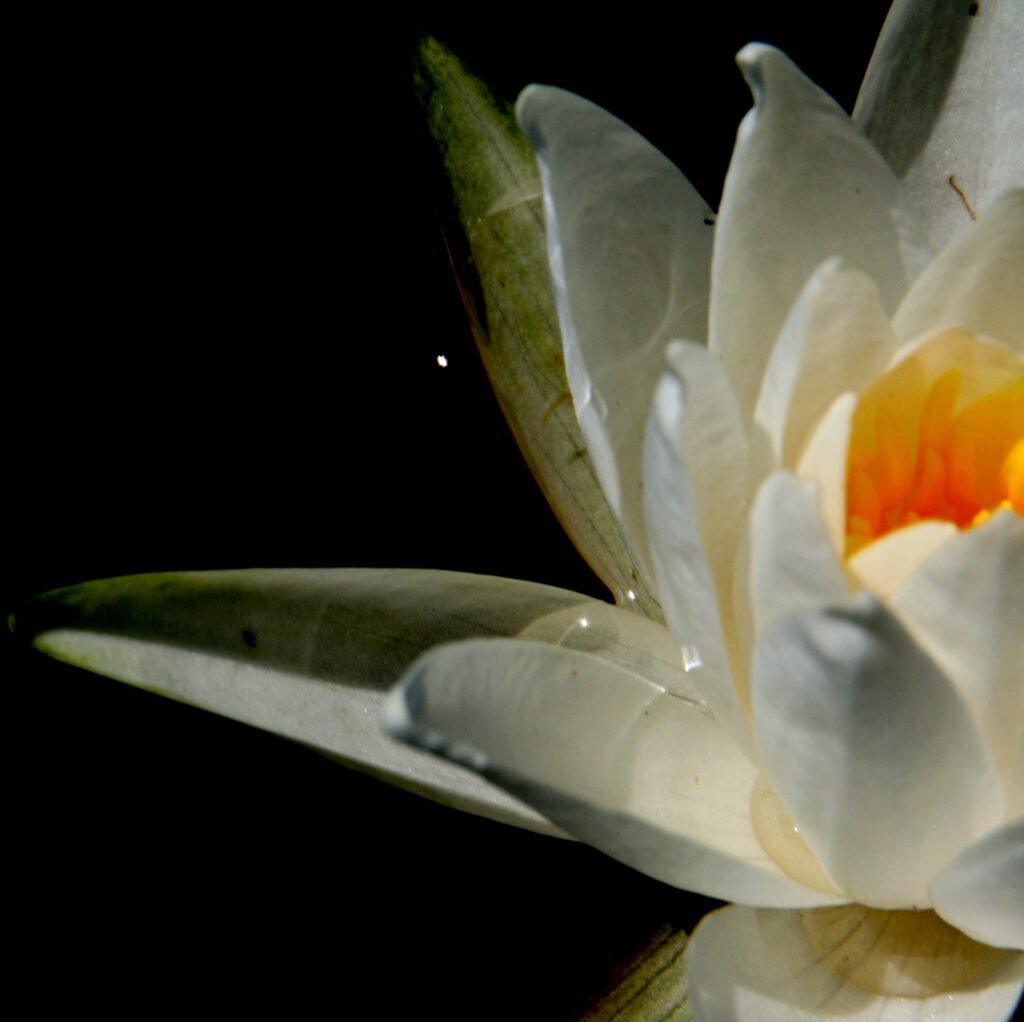
Kayaking changes your perspective completely. You’re no longer looking down at the water from a trail or riverbank — you’re sitting right at its surface. Wildlife higher on the land often isn’t expecting someone to appear quietly from below.
That low angle creates photographs you simply can’t get from shore. And the water itself becomes part of the experience: snapping turtles the size of your kayak, fish moving beneath you, crayfish in the shallows, water spiders skimming the surface, and logs covered with mushrooms, moss, and lichens.
When you’re sitting quietly at water level, you start noticing things that are easy to miss from land. The river becomes its own world.
Slow Water, Quiet Birds
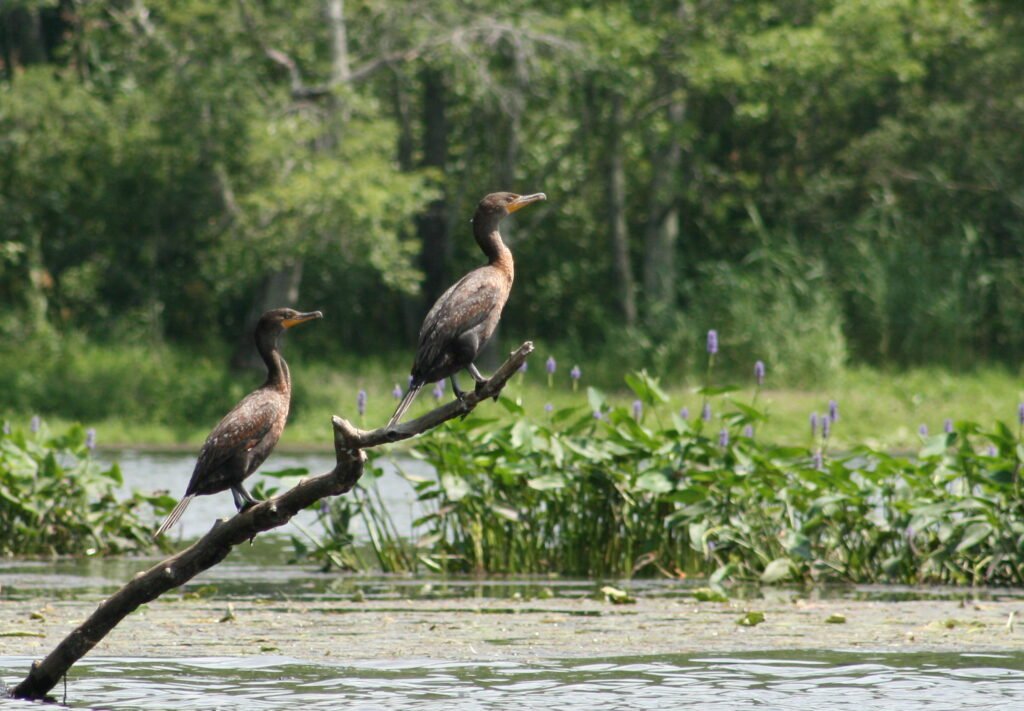
Fast water is exciting — rapids, rushing water, waterfalls — but it’s rarely where I get my best wildlife photographs. Strong current means noise, speed, and constant paddling. Birds along the shoreline often know I’m coming long before I arrive.
But when the river or lake slows, everything changes. I drift. I become quiet. And wildlife has time to watch me instead of fleeing.
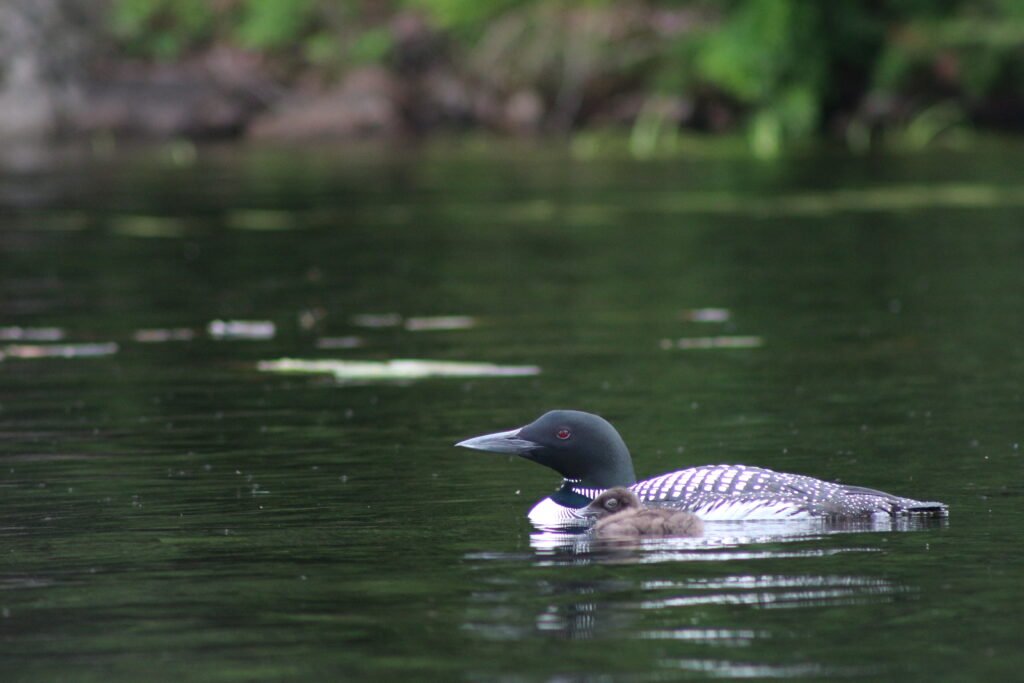
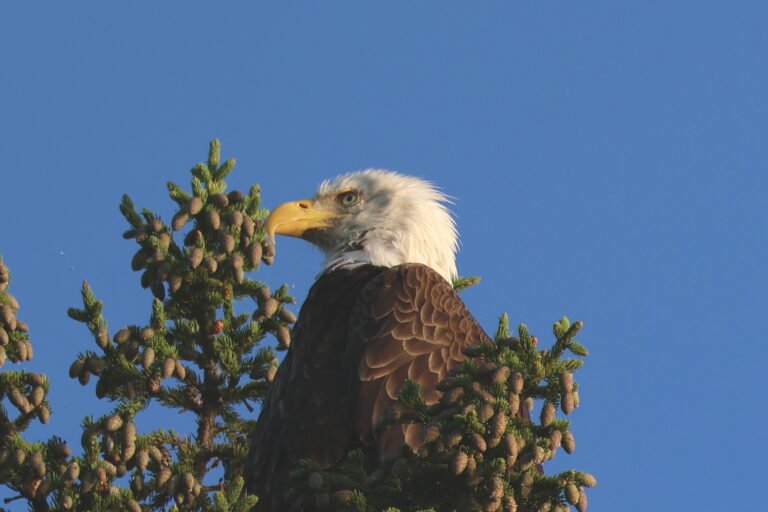
Herons, loons, eagles, ospreys, mergansers, mallards, geese — all more willing to stay when my movement feels natural and predictable. There’s a sense of trust that develops, and it’s one of the most rewarding parts of kayak photography.
Little River: A Small Place with a Big Personality
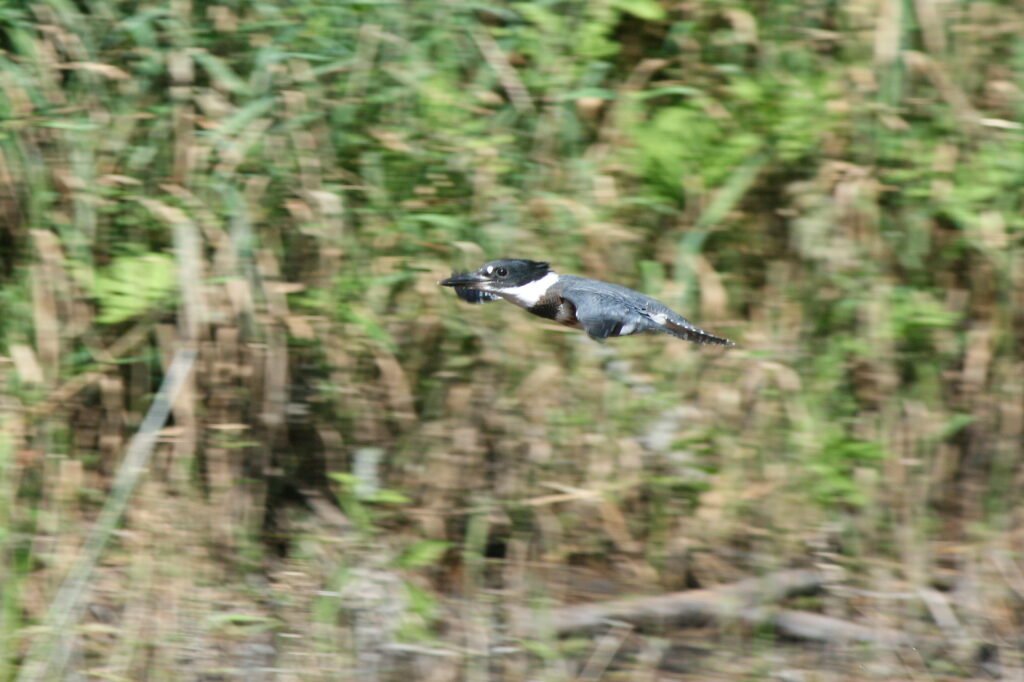
Narrow, slow-moving rivers like Little River near Roseland Lake are some of my favorite places to explore. Because the water is tight and close to the shoreline, wildlife encounters happen constantly: muskrats, beavers, mink, coyotes, kingfishers, songbirds, herons, and occasionally an eagle perched low over the water.
Small rivers create a feeling of intimacy. You’re not looking across a huge expanse — you’re moving through a corridor of trees and vegetation, quietly seeing what lives there.
When the River Gives You More Than a Photograph
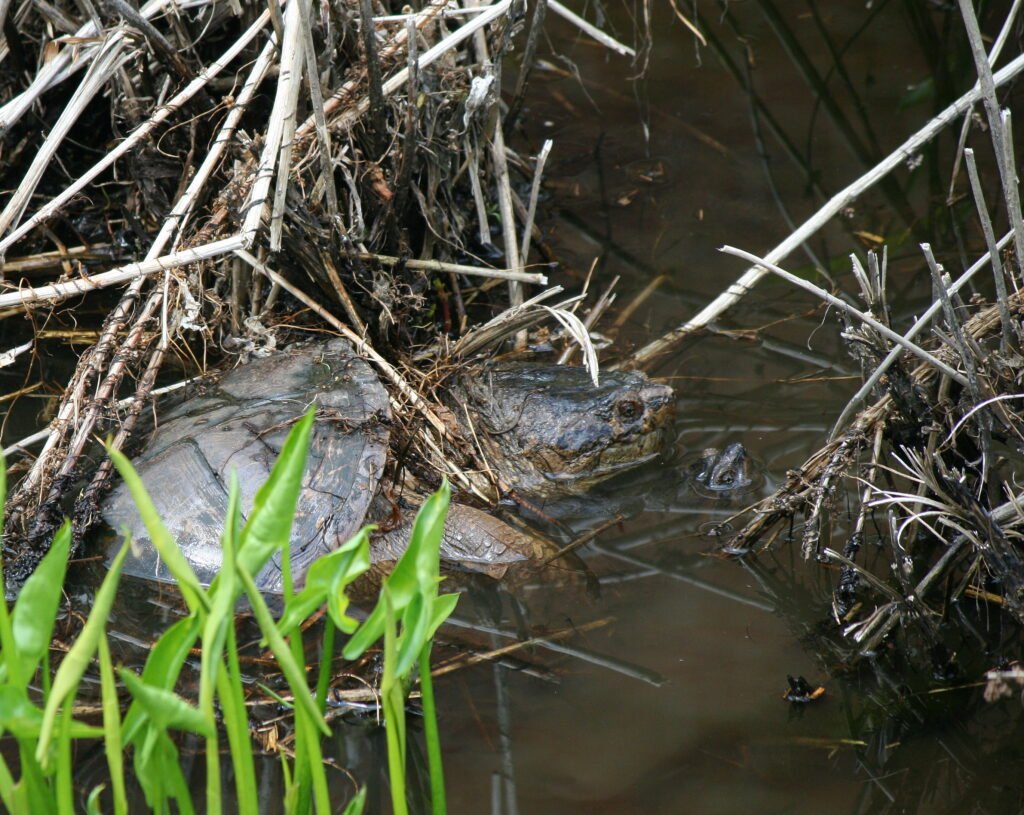
Some of my best wildlife experiences have happened while paddling upstream. Moving slowly against the current forces patience, and patience is good for photography.
I’ve encountered mink, snakes, muskrats, beavers, coyotes, foxes, groundhogs, raccoons, squirrels, skunks — and once, possibly a wolf or coywolf. And that’s just the mammals. Out on the river you also run into mergansers, wood ducks and other duck species, geese, Bald Eagles, Osprey, herons, swans, turtles, and more songbirds than you could ever count. Every bend in the river feels like it has something different waiting for you.
Not every encounter becomes a photograph. Some exist only in memory. And that’s part of what makes them special.
The Quinebaug River and the Unexpected
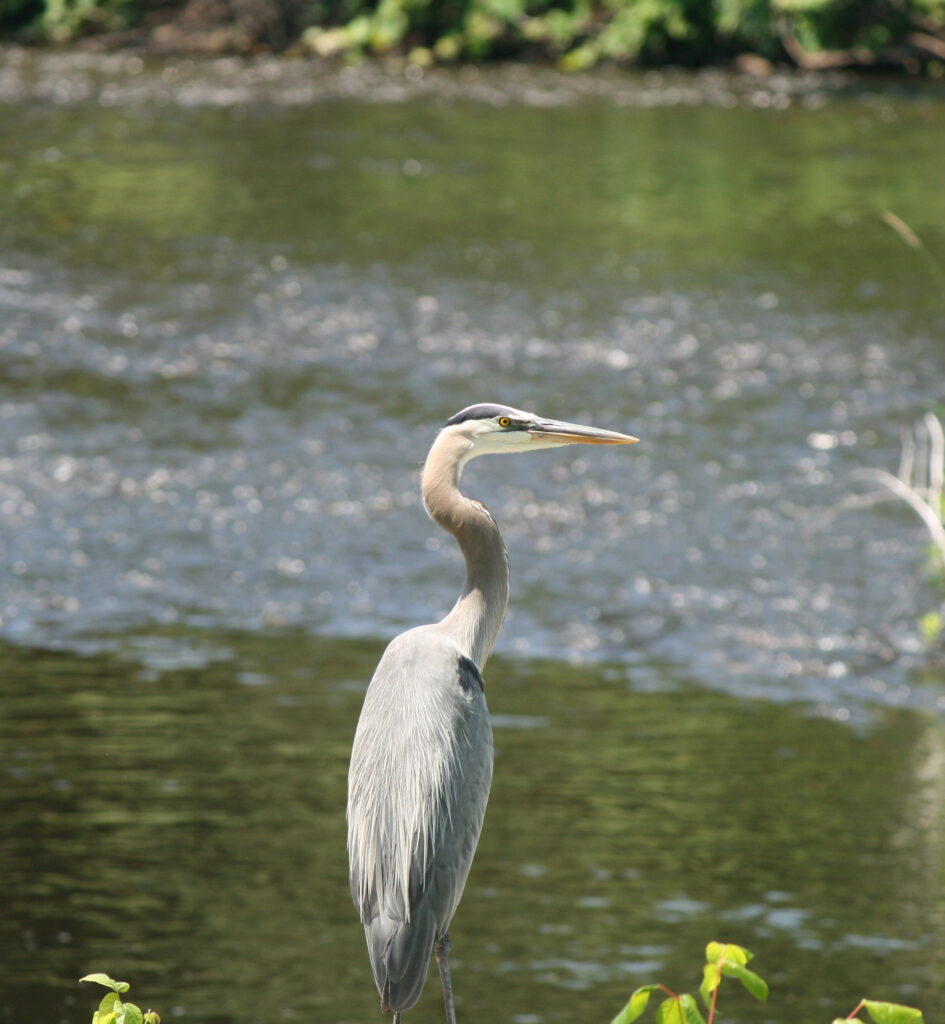
The Quinebaug has given me incredible wildlife moments — and a few reminders that Mother Nature runs the show, with the river simply carrying out her orders.
I’ve been caught in sudden thunderstorms that rolled in out of nowhere. One of them was the kind of storm you don’t forget. A 95‑degree, hot blue‑sky day, turned into a violent storm out of nowhere — lightning ripping across the sky, thunder slamming the river, wind shoving the kayak sideways, and rain dumping so hard it felt like the whole world flipped in seconds. My girlfriend, Kathy, was with me on this adventure, and she won’t easily let me forget it.
We paddled like hell to reach the shoreline. When we finally made it, we flipped the kayak over and crouched underneath it while lightning bolts kept hammering the river. Rain wasn’t just falling — it was dumping, pounding, soaking everything. For fifteen minutes it felt like the whole world was shaking around us…. Kathy whimpered, underneath the flipped kayak…treating it like it was her own personal storm bunker — reminding me afterward (many times) that this was absolutely not the peaceful river adventure she signed up for.
It was scary as hell, and a good reminder that the same water that gives you peace can turn into something completely different in an instant.
The Challenge of Keeping the Camera Still
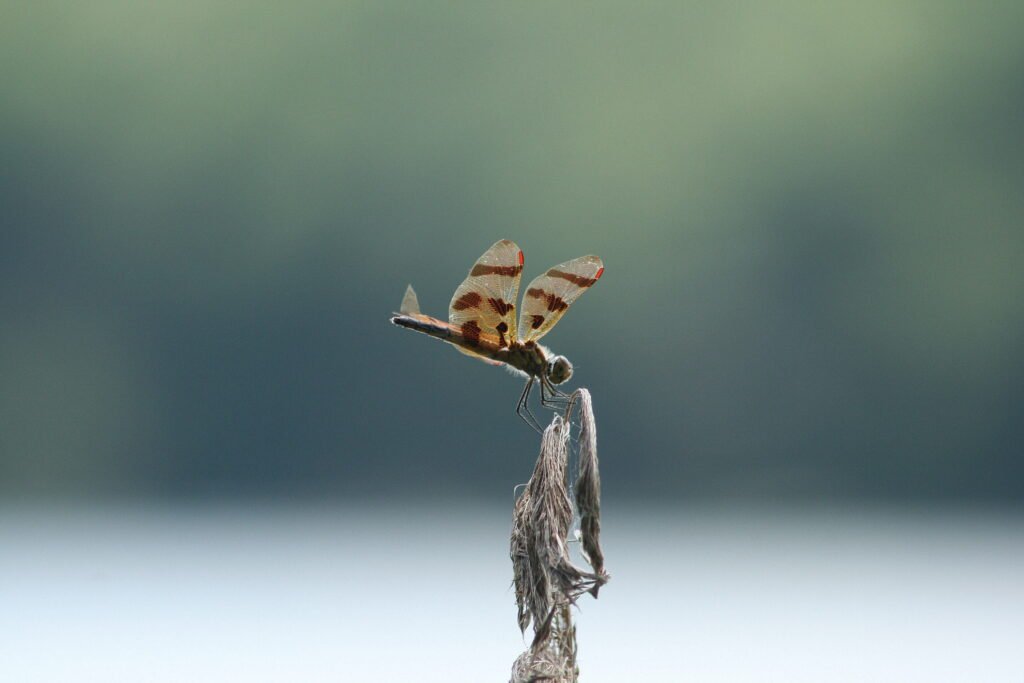
Photography from a kayak isn’t easy. The boat moves, the water moves, the wildlife moves — and you’re trying to keep a camera steady through all of it. Even on calm days, the kayak never stops shifting. A ripple, a breeze, or a small turn of your body can throw off your shot, and stability becomes something you have to create, not something the kayak gives you. When big waves start splashing over the bow, keeping the kayak straight is critical so you don’t get spun sideways or risk capsizing in wind‑driven lake water or losing your camera, lenses, or gear.
Rivers and lakes feel like two completely different worlds when you’re photographing from a kayak. Rivers challenge you with current and sharp obstacles — rocks, branches, tight bends. Lakes are the opposite. The danger comes from wind and the waves it builds. A sudden gust can spin you in circles, shove you sideways, or push you out into open water. And lakes have their own obstacles too, especially near the shoreline — rocks, stumps, and sudden shallows that become a real problem when the wind and waves start pushing you around. When the wind and waves hit together, lake water can be the most unpredictable — and honestly, the most intimidating — place to keep a kayak steady for photography.
Finding Stability Without a Tripod
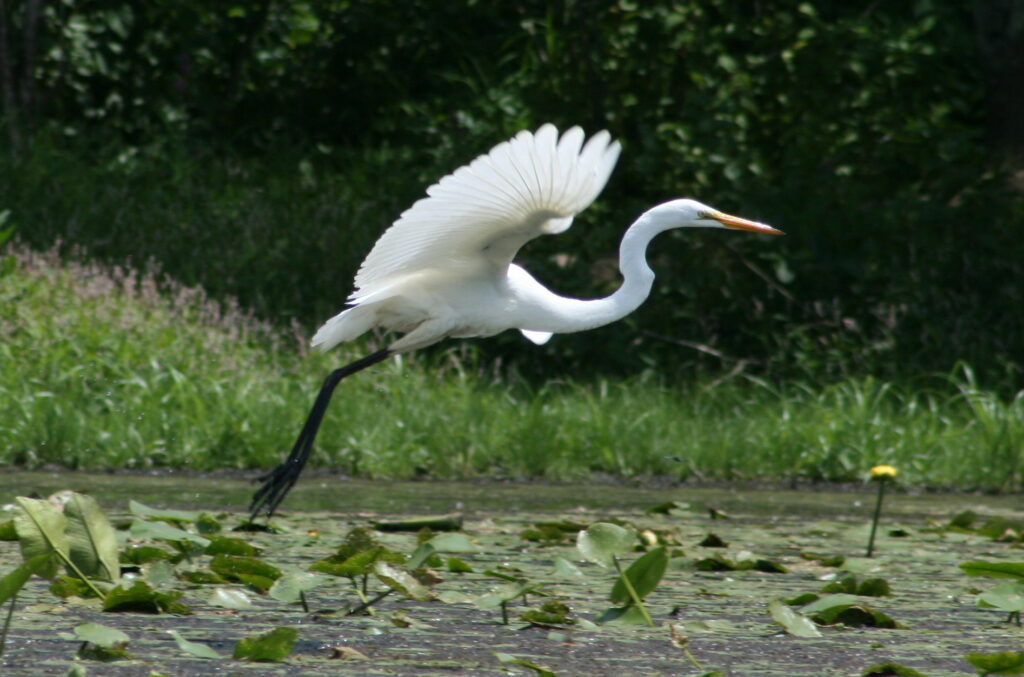
One of the realities of kayak photography is that you don’t have a tripod. You don’t have a rock, a stump, or a patch of solid ground. You have a moving boat, a long lens, and a river that refuses to sit still.
So you improvise.
Sometimes I use my camera bag as a support. I’ll rest the lens on it, press it gently against the side of the boat, or wedge it between my knees to create a little stability. Other times, the kayak itself becomes the tripod. I’ll brace my elbows against the sides, lean forward to steady the lens, or use the bow of the boat as a makeshift anchor. Other times, if the current isn’t too strong, I’ll actually get out of the boat and photograph from a large rock sitting in the middle of the water. Even going onto the shoreline can work, but by the time you step onto land you’ve usually scared away whatever wildlife you were trying to photograph.
None of these techniques are perfect. But they’re often enough.
A slight brace, a steadying point, or even a moment when the current slows can make the difference between a blurry image and a sharp one. Over time, you start recognizing those moments — the brief pauses in the water’s rhythm when everything aligns just long enough to take the shot.
Kayak photography isn’t about eliminating motion. It’s about learning to work with it.
Lakes vs. Rivers: Two Very Different Challenges
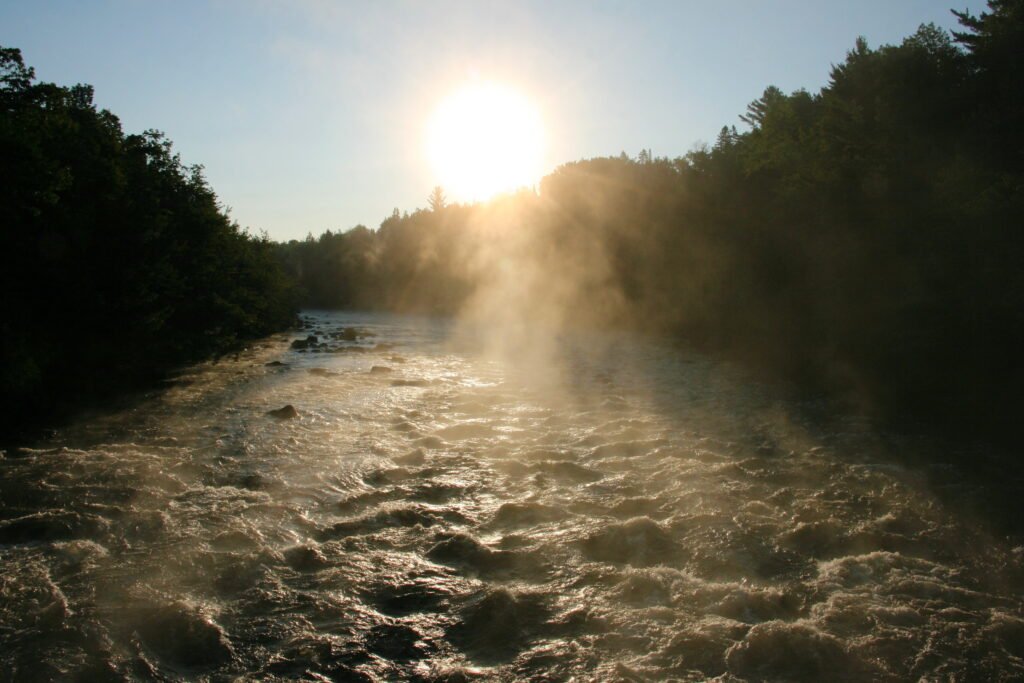
Photographing from a lake is a completely different experience than photographing from a river.
Rivers have current. Even slow rivers have a natural direction of movement. That current can help you drift quietly along the shoreline, stay aligned with the bank, and move predictably through the water. Once you learn how to work with the flow, the river almost becomes a partner — guiding you through the landscape. Lakes don’t do that.
But even on a slow river, you still have to look up every so often. Trees, branches, and rocks can appear out of nowhere, and drifting while photographing can turn into a nightmare if you’re not paying attention. This gets even more challenging when you’re locked onto a subject — whether it’s a Bald Eagle, a heron, a turtle, or a landscape—time seems to stop when you’re trying to get the shot, and the river keeps moving whether you notice it or not.
On a lake, the wind decides everything.
A calm lake can turn into a difficult photography platform the moment the wind picks up. The boat spins. It drifts sideways. It pushes you away from the shoreline. It pulls you into open water. Sometimes it feels as though you’re fighting the wind more than you’re photographing wildlife.
Even a light breeze can make it hard to keep the kayak pointed where you want it. And unlike a river, there’s rarely a current to help you. You’re constantly correcting your position, adjusting your angle, and trying to keep the boat steady long enough to take the shot.
That doesn’t mean lakes are bad for photography. They’re just different.
Lakes offer wide views, open water reflections, and quiet coves where wildlife feels safe. But when it comes to controlling the boat, staying steady, and getting close to the shoreline, rivers usually make the job easier.
On a river, the water carries you. On a lake, you’re on your own.
Keeping the Water Off the Camera
Water and expensive camera equipment are not the best of friends. I’m constantly aware of splashes, wet hands, spray, and the possibility of dropping something. The camera needs to remain accessible because wildlife doesn’t care if I’m ready. An eagle isn’t going to wait patiently while I dig through a dry bag. Neither is a mink.
Although I carry dry bags, I rarely use them when I’m out photographing. I need my camera and lenses ready, and that’s why controlling the boat and paying attention to my surroundings is so important — one bad spin or unexpected wave could cost me my equipment or even flip the kayak.
So there is always a balance between keeping equipment protected and keeping it ready. That is one of the biggest challenges of kayak photography. You’re never only a photographer. You’re also the paddler, navigator, spotter, weather watcher and equipment manager. And occasionally, you’re the guy desperately trying to keep several thousand dollars’ worth of camera equipment from taking an unexpected swim.
The Less Glamorous Side of Kayak Photography
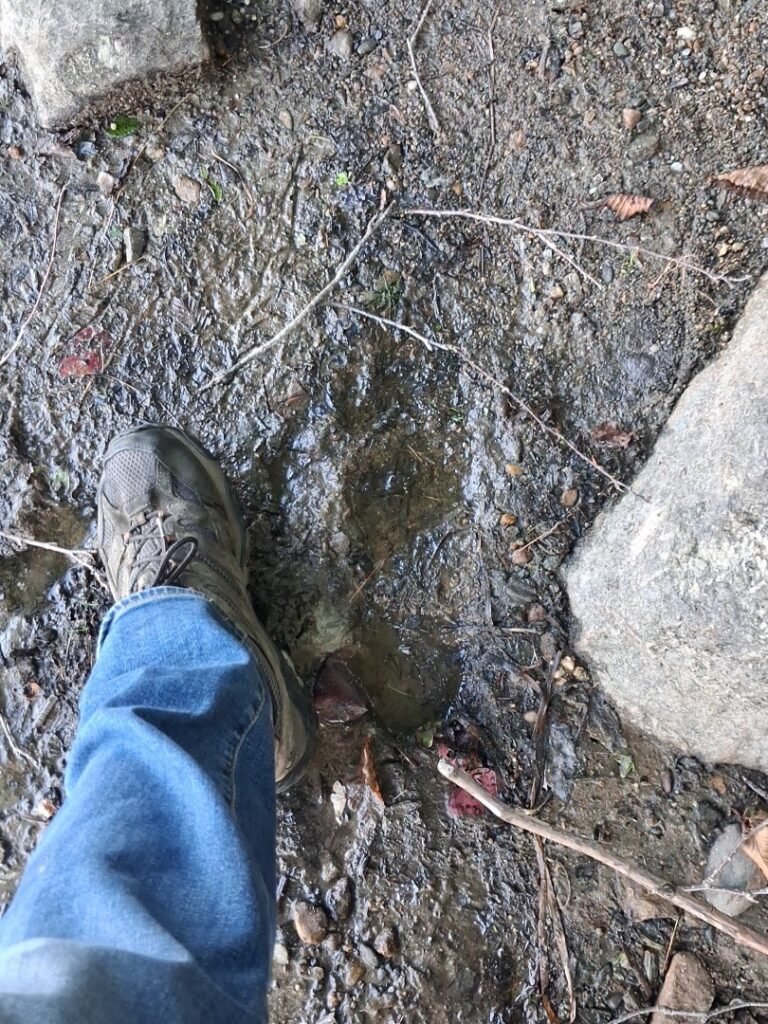
Check out that print next to my shoe — and I’m a size 12. Maybe I’ve watched too many Bigfoot documentaries, but I had to paddle up to the muddy riverbank just to photograph it. If only I’d worn sandals or water shoes instead of regular shoes… or had some plaster with me! Kayak photography isn’t always glamorous, and sometimes the mud grabs you before the wildlife does.
There are a few other things you don’t necessarily see in the photographs.
Bathroom breaks. On a hiking trail, finding a discreet place is usually pretty easy. On a river, you’ve got water all around you and nowhere to hide. I always keep a roll of toilet paper or tissues just in case nature calls — because if you can’t hold it, that’s your only backup plan.
As far as #1, you just have to plan ahead a little more. Unlike hiking, it takes time to find a low bank that’s safe, private, and doesn’t look like it’s on someone’s property.
Then there are the mosquitoes. Early morning and evening can be particularly bad. Quiet coves and narrow sections of river can also become mosquito factories, especially when there isn’t much wind. And when you’re sitting perfectly still waiting for a wildlife subject, you’ve basically volunteered to become a mosquito buffet.
Bug repellent is essential, and a head net becomes your best friend when things get rough. Nothing ruins a shot faster than a cloud of bugs trying to fly up your nose while you’re trying to focus.
The good news is that kayaking has another advantage over hiking: generally, fewer ticks. You’re spending much of your time in the boat rather than walking through tall grass, brush and woodland vegetation.
Don’t forget the smell factor. After a river trip, you’re not coming home smelling fresh — you’re coming home smelling like the river. It’s all part of the adventure.
So, as with almost everything else, kayaking has its trade-offs.
Life preservers. Even on a slow‑moving river, they’re non‑negotiable. You might never need one, but if you pass out from heat stroke or get knocked into the water unexpectedly, without a life preserver you could be a goner — just in a very different way than you planned. A calm river or lake can turn serious fast, and a vest is the simplest insurance you’ll ever wear. And in Connecticut, you’re required to have a life jacket for every person in the boat anyway. It just makes sense!
When the Boat Becomes Part of the Adventure
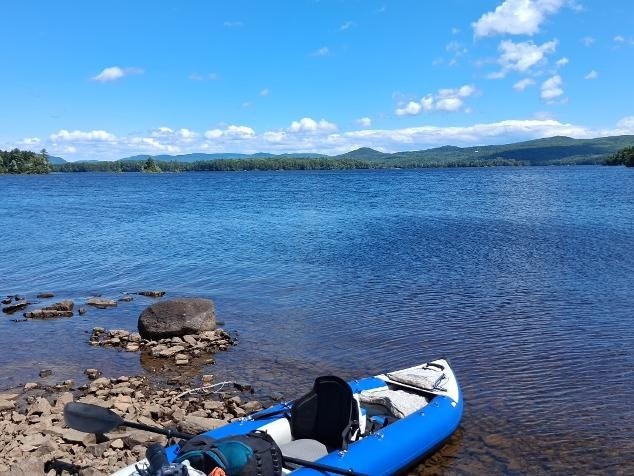
I’ve used a Sea Eagle Explorer inflatable for many years. My previous boat lasted more than fifteen years and saw an enormous amount of use. Eventually, I began experiencing floor problems, leaks and pontoon issues. That wasn’t necessarily a reflection on the boat. After fifteen-plus years of heavy use, things wear out.
But when you’re out on the water, even a small leak can become a serious inconvenience. That’s why I always carry a pump, patch kit and duct tape. Sometimes you don’t need a perfect repair. You just need to get yourself back to shore.
I now have a newer Explorer, and so far, I haven’t had any problems with it. But experience has taught me that anything can happen on the water.
One of the reasons I particularly like an inflatable for wildlife photography is the quietness. If I drift into a rock, stick or shoreline, I don’t get the loud scraping sound you might get from a hard canoe or kayak. Instead, there is usually just the softer sound of the fabric rubbing against whatever I’ve touched.
When you’re trying to remain incognito, that matters.
The Explorer is also remarkably stable. That stability is important when you’re sitting there with a camera and long lens trying to make a photograph. I don’t have the constant feeling that one wrong movement is going to put me in the water.
There’s also plenty of room for equipment. And if the river is quiet enough? I can even stretch out and take a nap.
There are worse places to rest.
If you paddle a hardshell kayak, you don’t have to worry about pontoon issues or slow leaks in your floor — which is one less thing to think about on the lakes or rivers. But they’re not indestructible. Hit a jagged rock hard enough and even a hardshell can crack or take on water.
Canoes have their own quirks too. They won’t deflate, but they can dent, buckle, or even crumble if you slam into something sharp or heavy. I’ve even seen canoes crinkled like trash cans on the Danbury River and elsewhere. Every boat has its personality: some leak, some scrape, some flex, and some complain loudly when you hit a rock you didn’t see. So even with a solid boat under you, staying alert is part of the deal.
And Sometimes the Wildlife Comes to Me
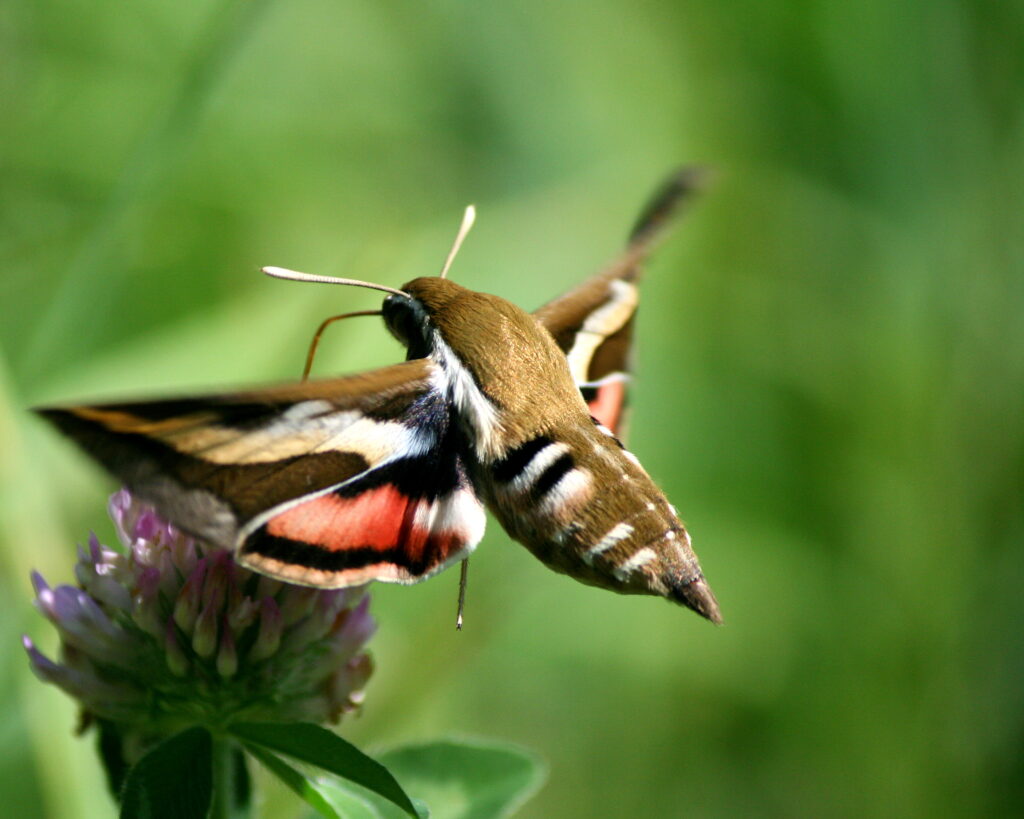
Of course, being close to nature has its disadvantages. Once, I watched a snake slither across a log. It eventually ended up in my kayak.
There is a significant difference between photographing a snake from a comfortable distance and realizing that the snake has decided to join you.
That was not exactly the peaceful wildlife encounter I had envisioned.
But that’s the thing about being immersed in nature. You don’t get to control everything that happens. Sometimes the wildlife stays on the shore. Sometimes it swims underneath you. Sometimes it flies overhead. And occasionally, apparently, it gets into the boat.
Once, a beaver slapped its tail so hard it drenched my kayak — a good reminder that sometimes the wildlife comes to me whether I’m ready or not.
A Few Things I’ve Learned on the Water
Kayak photography isn’t about mastering complicated techniques. Most of what matters comes down to slowing down, staying quiet, and paying attention. Over time, a few simple truths have stood out:
Let the current do the work. The less you paddle, the quieter you become — and the more wildlife you see.
Stay at water level. That low perspective creates photographs you simply can’t get from shore.
Use the wind to your advantage, especially on big lakes.
Move slowly. Wildlife relaxes when your movement feels natural and predictable.
Keep your gear accessible. Wildlife won’t wait while you dig through a dry bag.
Protect your equipment, but don’t bury it. Balance readiness with caution.
Expect the unexpected. Weather, wildlife, and the water all have their own plans.
Accept that not every moment becomes a photograph. Some encounters are meant only for memory.
None of these are complicated. But together, they shape the way I move through the water — and the way the river reveals itself to me.
Why I Keep Going Back
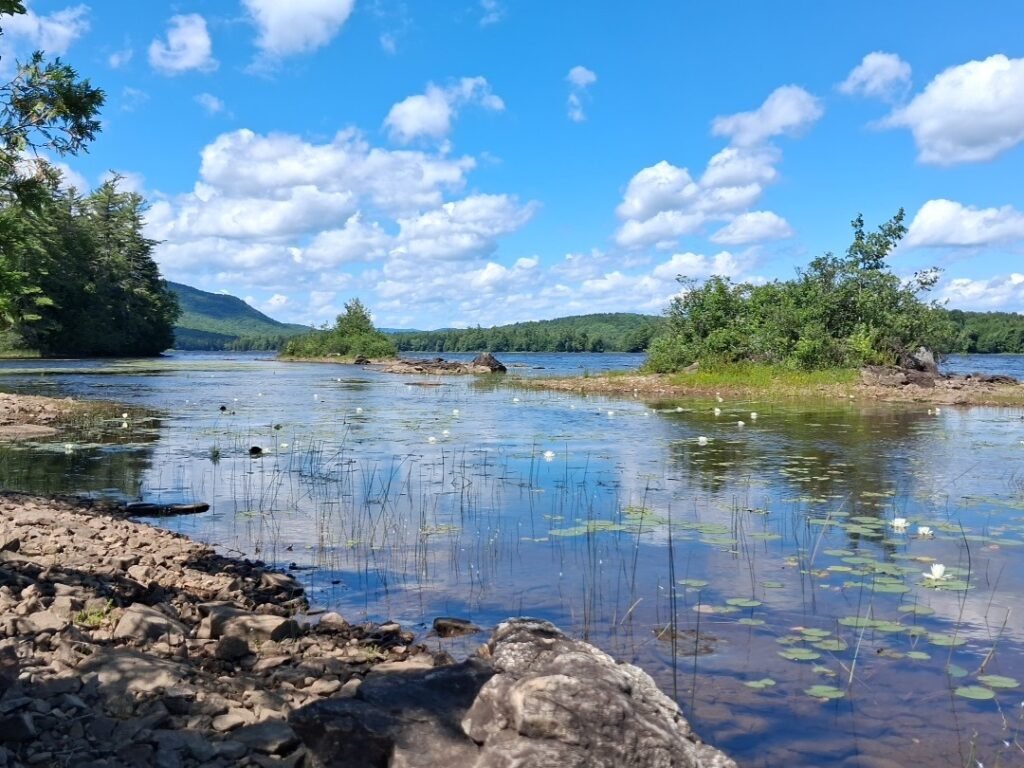
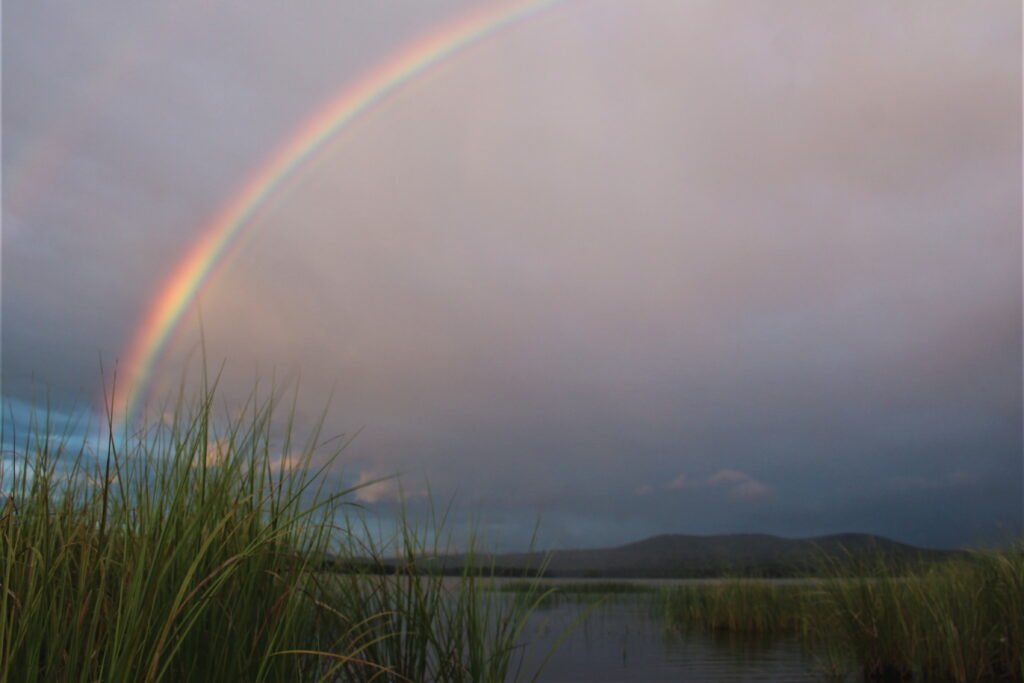
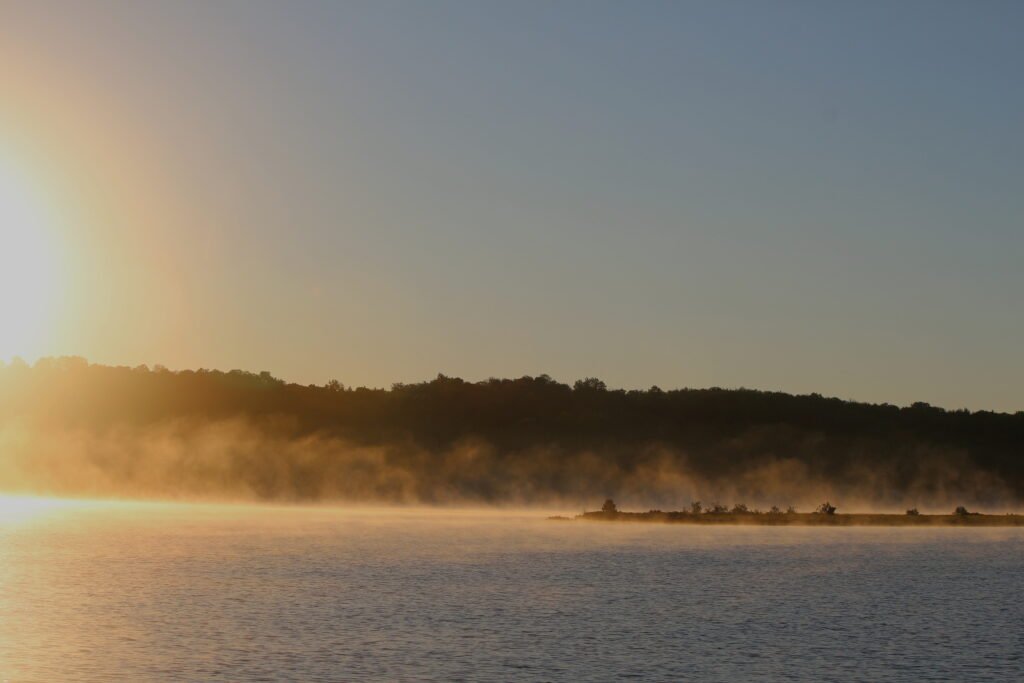
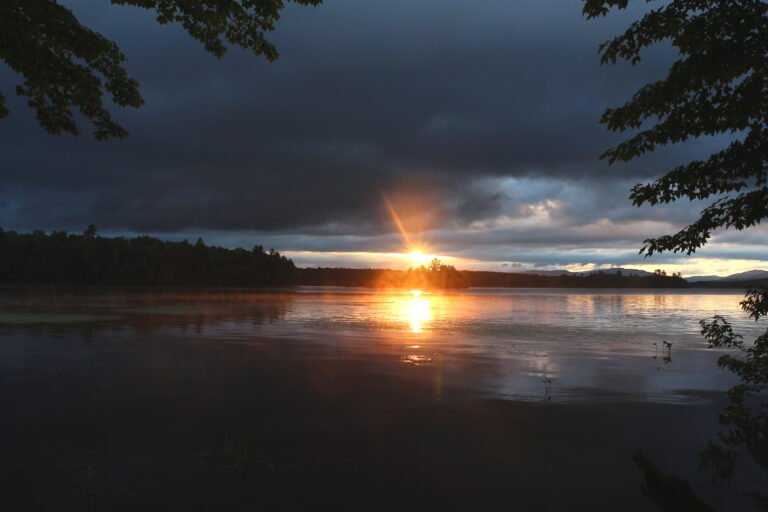
This photograph was taken from a tiny remote island on Lake Umbagog. I paddled over, had lunch, and watched loons, bald eagles, and ospreys moving across the lake.
That’s why I keep coming back.
Kayaking has taught me that the photograph isn’t always the destination. Sometimes it’s simply the reason to slow down and pay attention.
When I stop paddling and let the current carry me, everything gets quieter. I hear the water, the birds, and the sounds of the shoreline. Sometimes I take the photograph. Sometimes I just watch.
Not every trip produces the image I hoped for. But I was still there. I experienced something wild, quiet, and real.
The photographs matter to me, but so does everything that happens before I press the shutter.
The quieter I become, the more the water reveals.
And that’s where I find the peace that keeps me coming back.
If you would like to bring a piece of these quiet waters and northern landscapes home with you, selected photographs are available as fine art prints and wall art in my collection.
Thank you— Neal Eslinger
My goodness, that was a beautiful, easy, informative, meaningful read, Neal, with stunning photographs and so well written. Thank you for bringing me along your wonderful river and lake trips.
You are most welcome! Thank you so much for your time and visit!