Learning to See the Land
Learning to see the land began with my family and the way they taught me to appreciate the places around us. My grandfather and father both grew up on Long Island before moving away from the city, and something in them changed when they found the countryside.
I still remember riding in my grandfather’s old Dodge Diplomat from Meriden back to my hometown of Pomfret. As we got closer to the fields and pastures, he would roll down the window, take a deep breath, and smile. He used to say how much he loved the smell of fresh manure.
As a kid, I didn’t get it. I thought it was just something funny he said. But now, I understand it completely. I’ve grown to love that same feeling — the presence of land that is alive, working, and real.
My father, raised in Massapequa on Long Island, later married my mother, who grew up in rural Woodstock, Connecticut — surrounded by farms, meadows, rivers, and forests. Together, they carried a deep respect for the natural world, and that respect shaped the way I was raised.
The quiet of the woods, the stillness of rivers, and the abundance of wildlife weren’t abstract ideas to me — they were simply life.
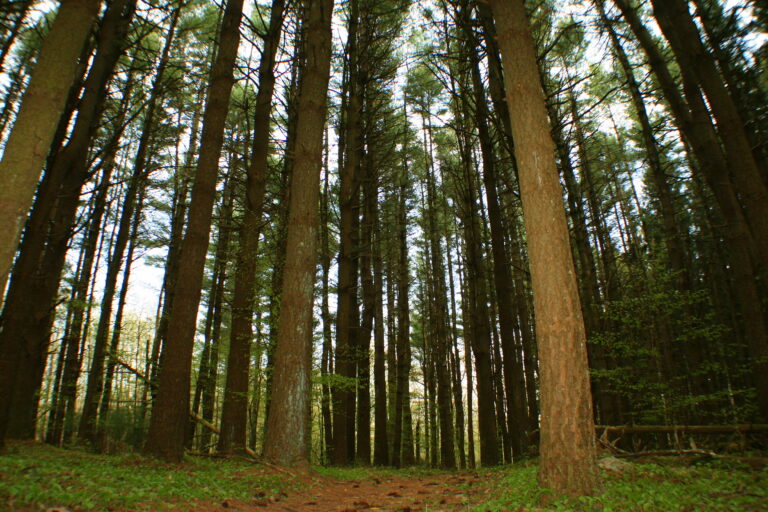
We spent countless days hiking places I still return to today: James L. Goodwin State Forest, Natchaug State Forest, Yale‑Myers Forest, Bigelow Hollow, Mashamoquet State Forest, Wolf Den, Thompson Dam, and so many others — often with our German Shepherd, Heidi, leading the way.
I remember picking raspberries in the summer, eating more than I ever brought home, and exploring endlessly with my family. I was taught early to respect the land, not just enjoy it.
My father never took me fishing. He refused to harm anything living, large or small. My mother carried a similar respect for life, even though she had grown up fishing as a child in rural Woodstock.
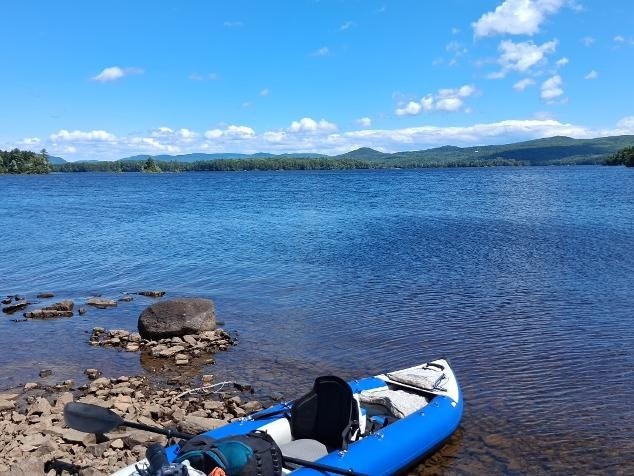
Camping and kayaking shaped us too — down the Natchaug River, the Five Mile River, the Quinebaug, and others. My father would laugh and call us “river rats,” even when we were cold, wet, and exhausted. I wore that name with pride.
As I got older, that connection to land stayed with me. In my mid‑20s, I began hiking and kayaking again — this time mostly alone. That solitude became something more than recreation. It became grounding. It became healing.
I often wish I had carried a camera during my earlier travels across the country in my early 20s, but it wasn’t until after college that I felt the desire to document what I was seeing — not for others, but for myself.
I bought a small 5‑megapixel Vivitar camera and started bringing it with me on hikes.
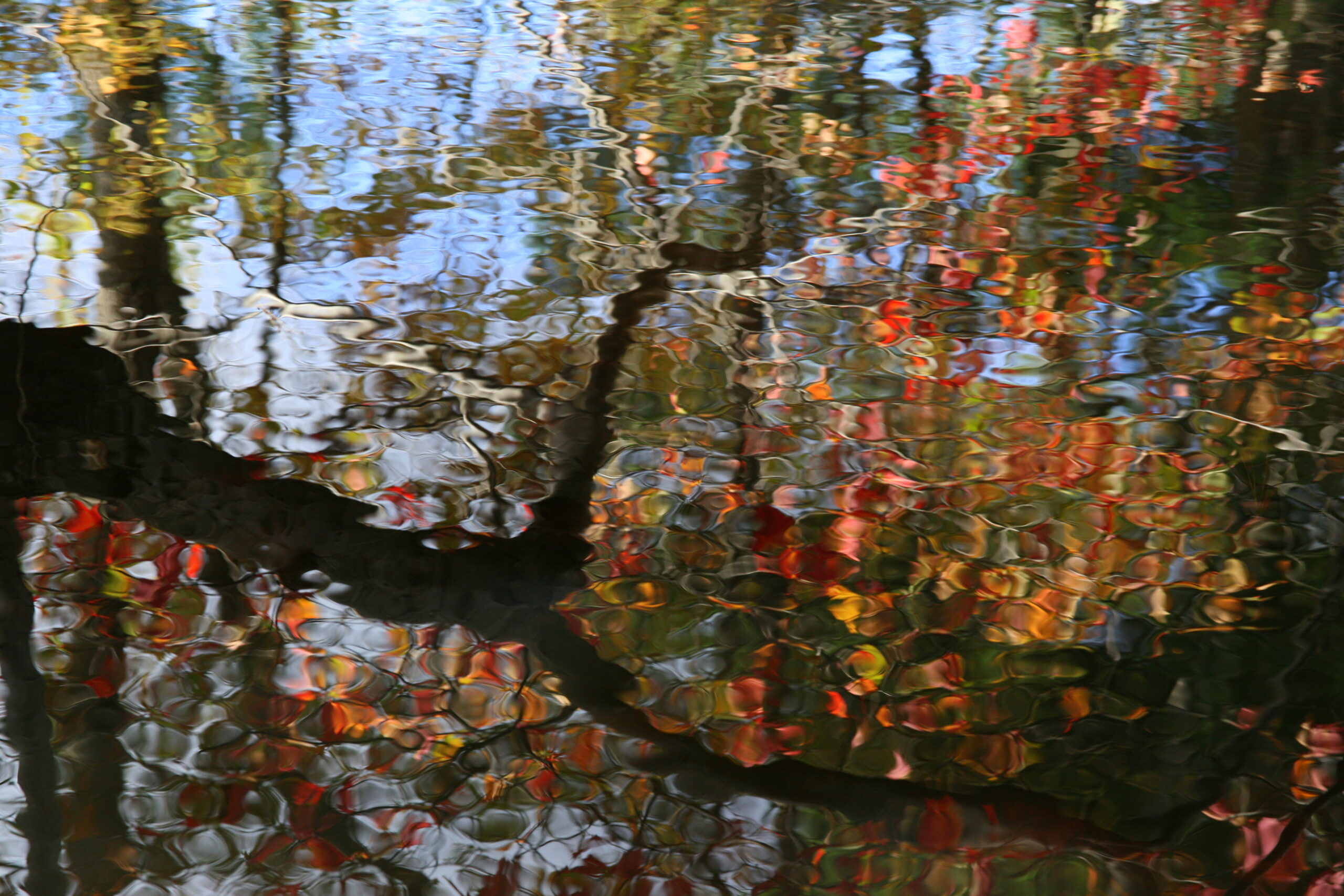
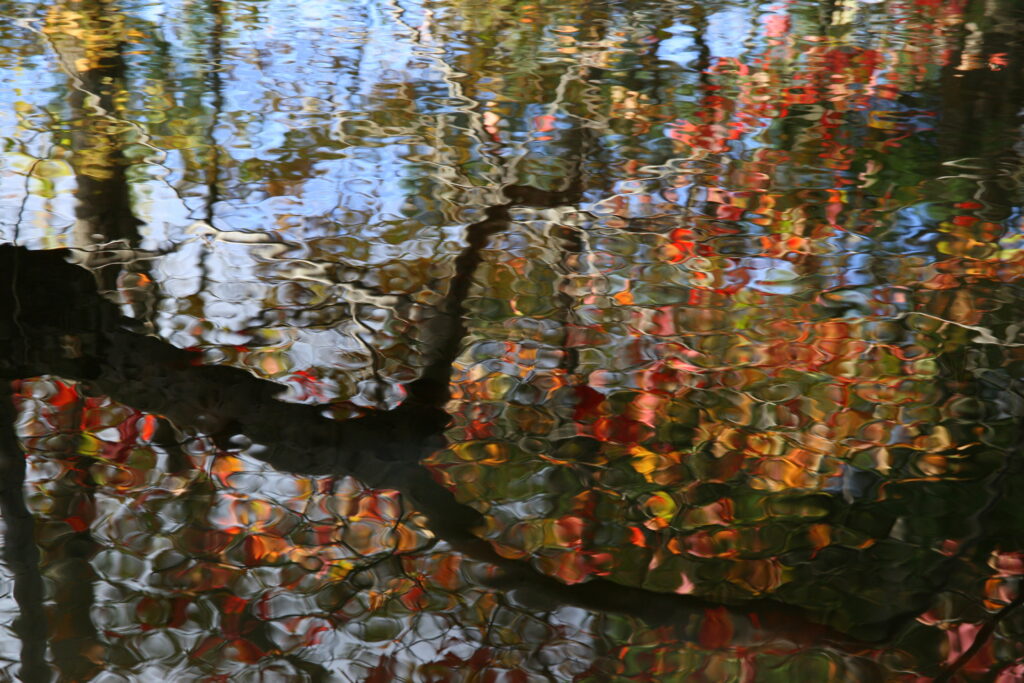
One autumn day in Yale‑Myers Forest, I stopped by the water’s edge. The surface of the river was filled with reflections of fall foliage above me — color, movement, and light blending together in a way that felt almost unreal. I lifted my camera and began taking photos of those reflections.
Later, when I got home and uploaded them, I titled the image Autumn Reflections. It was the first photograph I ever felt something deeper about.
That was the beginning of learning to see the land differently. I began paying closer attention to the small details—the reflections, changing light, textures, and quiet moments that I might once have simply walked past.
From that point forward, I carried that camera everywhere, always searching for another moment that felt like that one — a moment where land, light, and memory all came together.
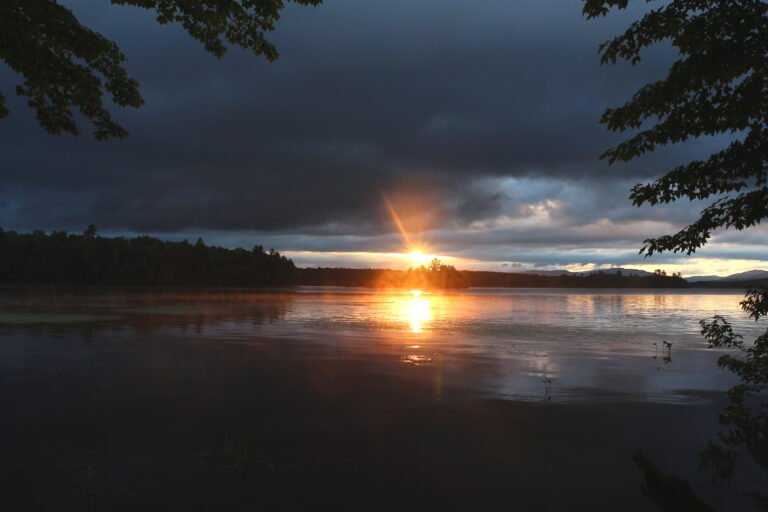
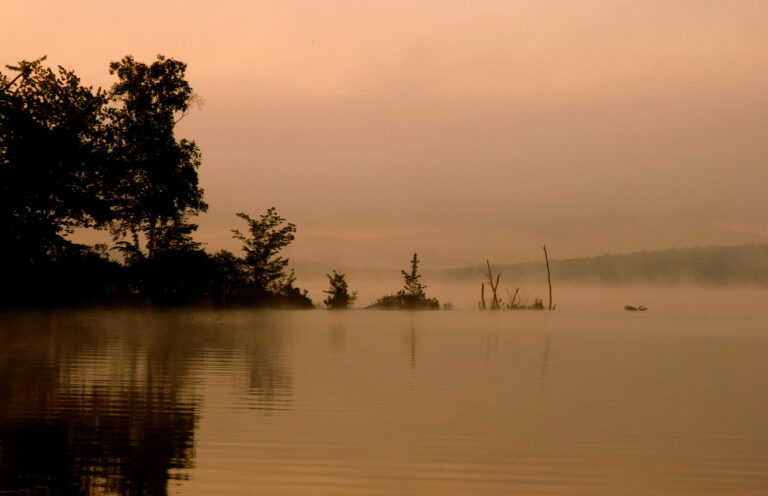
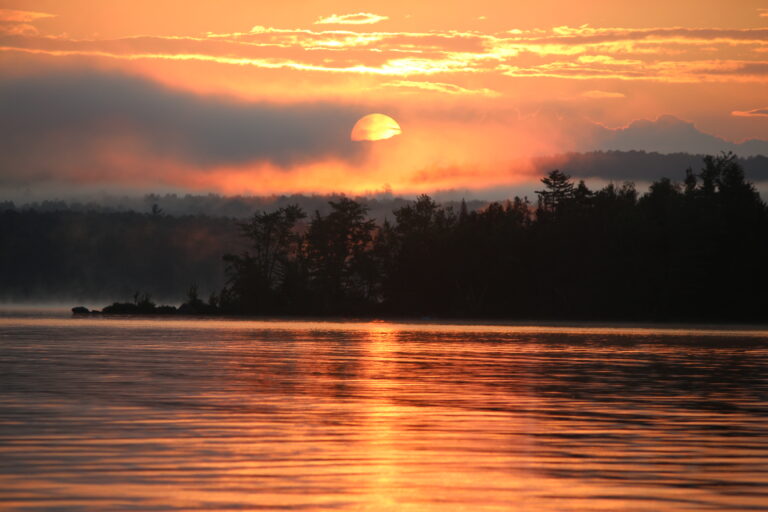
You can explore more of these places in my Landscapes of New England collection
If you would like to bring a piece of these quiet waters and northern landscapes home with you, selected photographs are available as fine art prints and wall art in my collection.
Thank you— Neal Eslinger