The Unrecorded Eye: What Traveling Without a Camera Taught Me
Before I ever got my start in nature photography, I traveled. Not just down the road, but deep into the geography that defines the American imagination: the raw scale of the Grand Canyon, the ancient carved layers of the South Dakota Badlands, the towering peaks of the Rocky Mountains, the steaming backcountry of Yellowstone, the sharp crests of the Grand Tetons, out across the plains, down through New Mexico and the bayous, and up into Tennessee
Back then, my toolkit consisted of two eyes, zero gear, and a girlfriend with a Nikon. I’d occasionally steal it from her to snap a few shots of my own. Those places are still deeply engraved in my mind, even if the actual images are gone and I’ll likely never view them again. They live on as pure memory, capturing a time when those landscapes were far too massive and overwhelming for me to fully process anyway.
Looking back, not having a camera of my own forced me into a very specific kind of discipline.
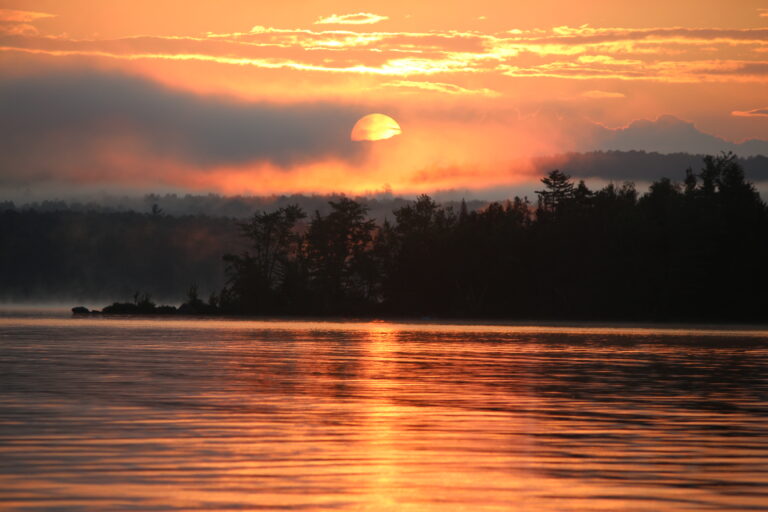
When you don’t have a viewfinder to hide behind, you can’t outsource your attention to a memory card. You can’t tell yourself, I’ll figure out what this light is doing later when I process the file. You are forced to just stand there and take it in. Sometimes, taking it all in is far more powerful than capturing a few images; trying to photograph everything can actually take away from the wildness of the moment itself. You watch how the afternoon sun cuts across the flatlands of Montana, or how the light hits the wall of the Badlands, entirely for yourself.
You’re not framing; you’re absorbing.
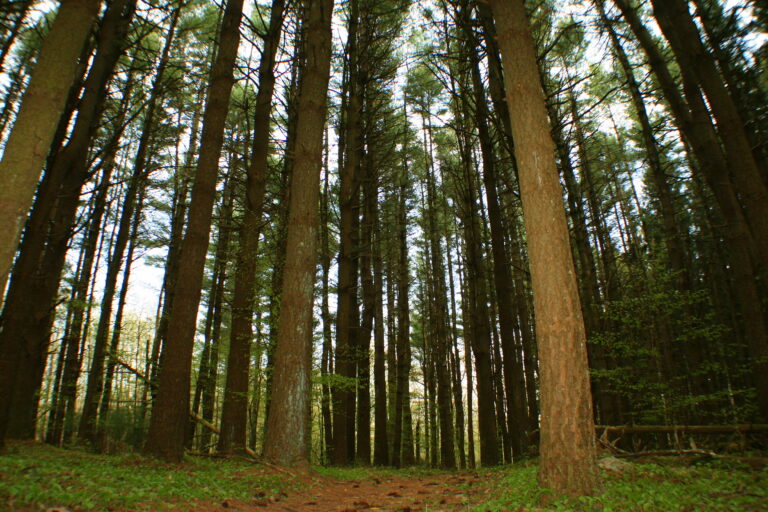
Years later, when I finally picked up my own camera—starting small with a cheap setup and sticking close to home in New England—I realized something strange. I wasn’t starting from zero. All those miles spent staring at landscapes without a lens had quietly built a foundation. My brain already knew how to look for texture, how to judge shadow, and how to wait for the right moment.
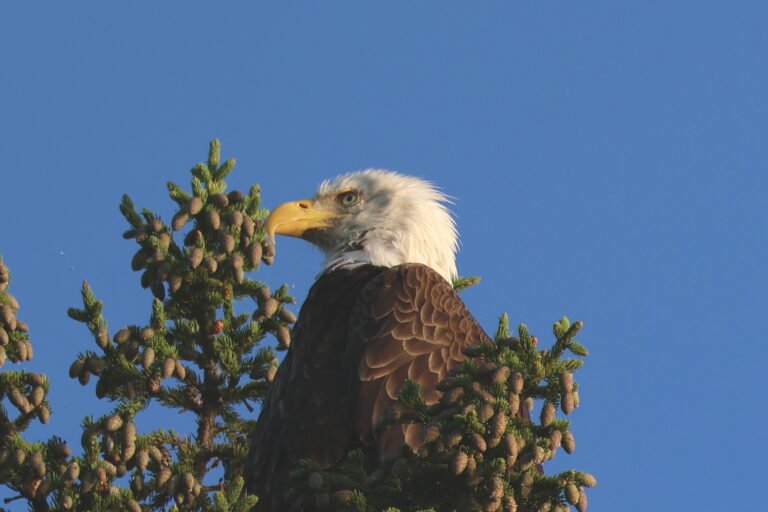
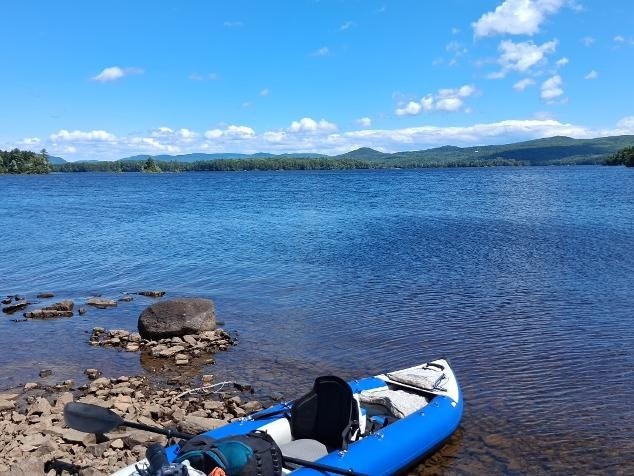
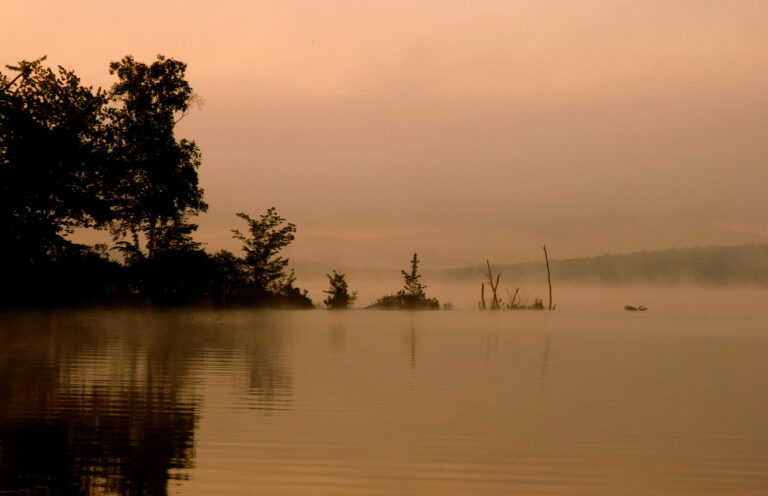
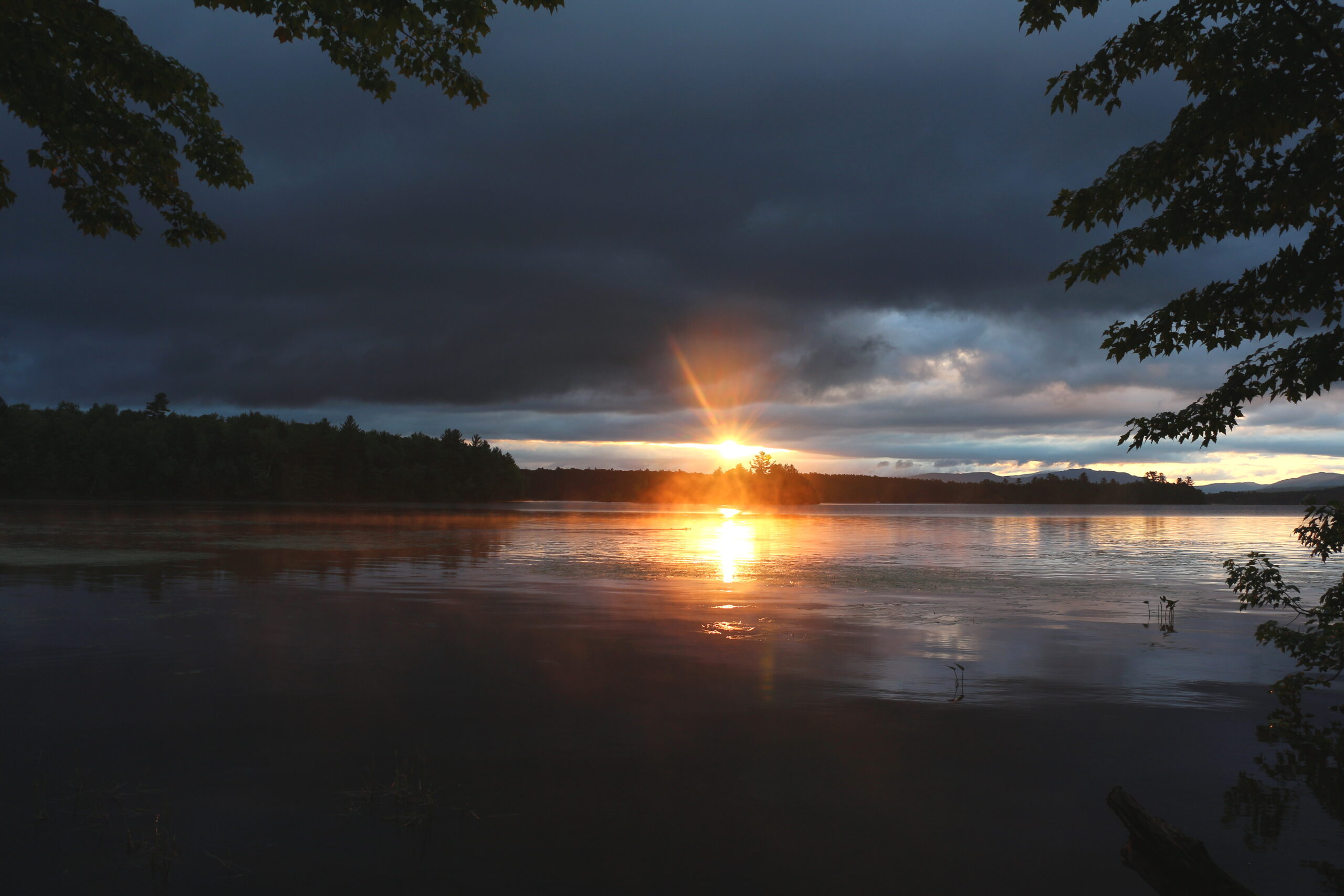
Today, whether I’m tucked into a kayak on a quiet lake or tracking deer or local light through the woods, I carry my own camera. Even now, I can still be too slow to pull out the camera. Just last month, I had an encounter with a huge bull moose; I watched it for what felt like an eternity, just studying it, before I could even pick up the camera—and by that time, it was gone.
The image slipped away, but the memory stayed ingrained. The mind still creates vivid pictures—they’re just locked away for only me to see.
Thanks for stopping by and reading along. Whether you’re out chasing light with a pack full of gear or just taking it all in with your own two eyes out on the trail, I appreciate you sharing the journey with me.
— Neal Eslinger